

Why iMAPS?
3.8
BILLION YEARS
< 1%
EXPLORED
Facing challenges from industrialization, antibiotic abuse, climate change, and biodiversity loss, preserving and mobilizing the magic power of microbial metabolism is more urgent than ever. However, current approaches, such as those focusing on community-level sequencing, are generally unable to directly reveal the in-situ metabolic functions of microbial cells, or to efficiently obtain live pure cultures of individual cells of target in-situ metabolic function, from a microbiota sample.
iMAPS introduces the metaramanomics approach, to profile the in-situ metabolic activities of live single-cells from a microbiome, and then directly sort them out for single-cell culture or sequencing, based on high-throughput Raman flow sorters.
What We Aim to Deliver

.png)
State-of-the-art metaramanomics platforms that generate single-cell 6W for each microbiota.

.png)
Distributed biobanks of live microbial cultures with targeted in-situ metabolic function (and synthetic consortia) produced by the metaramanomics platforms.

.png)
Diverse applications in healthcare, sustainable agriculture, infectious disease control, environmental restoration, and green biomanufacturing based on indigenous microbial resources.

.png)
Globally coordinated endeavors to tackle climate change, antimicrobial resistance, hunger and malnutrition, sustainable manufacturing and other pressing challenges that face the human society.
iMAPS Vision

To unlock the hidden metabolic potential of Earth’s microbiomes — one cell at a time —
for human health, environmental sustainability, and global prosperity.
iMAPS Mission

iMAPS (in-situ Metabolic Atlas Projects @ Single-cell) is a global initiative that brings together
pioneering
single-cell metabolic profiling/sorting technologies, Al-powered data platforms, and an open international
network.
Our mission is to
Establish a distributed, automated, intelligent network of “metabolic sensors + strain miners +
ecological restorers", enabling real-time microbiota functional profiling and function-strain mining.
Our mission is to
Break the century-old bottleneck of microbiology by shifting from "sequence-predicted metabolic
potential" to "experimentally measured single-cell in-situ metabolic function plus their live cultures".
Our mission is to
Provide a globally distributed biobank network of indigenous microbial strains with in-situ function (and
their synthetic microbial consortia) to benefit the welfare and economy of local communities, and
accelerate solutions in precision health, food
security, climate resilience, clean energy, and next-generation biomanufacturing.
Our Approach
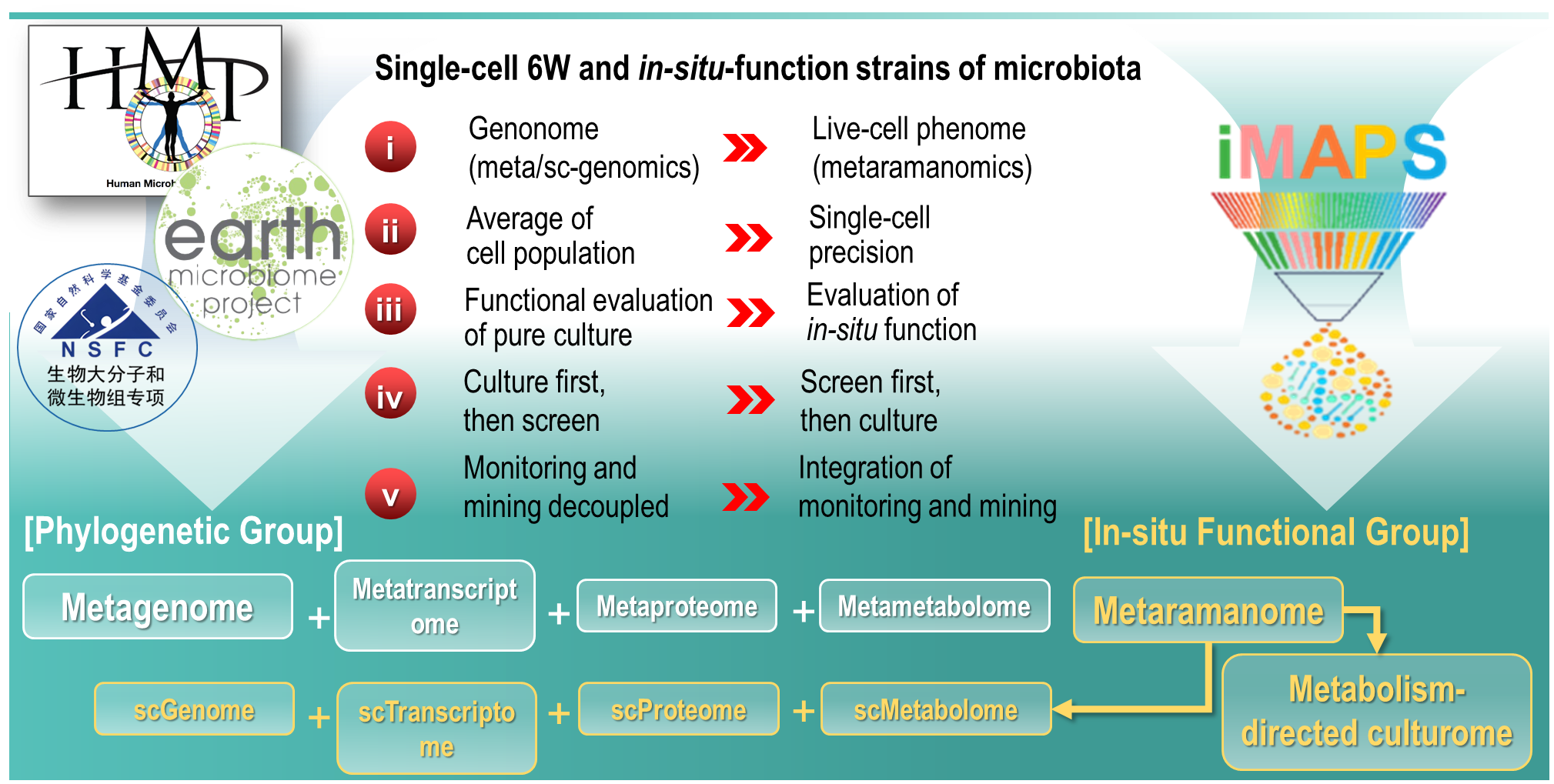
Metaramanomics
A "metaramanome" is the collection of single-cell Raman Spectra randomly
sampled from a microbiota, which represents the single-cell-resolution metabolic phenome of the microbiota
at that particular state. "Metaramanomics" refers to the approach and technological platform that produce
the single-cell 6W (doing What, Wealth, Who, Why, When, Where) data plus functional-strain bank, by Raman
flow cytometry and Raman-activated Cell Sorting coupled to single-cell/mini-meta cultivation, DNA/RNA
sequencing or mass-spec analyses.
Microbiome Single-cell 6W Framework
To exhaustively answer and tackle single-cell 6W: metabolically doing What,
Wealth (live culture), Who (genome), Why (transcriptome, proteome, metabolome), When, Where, for a
microbiota sample.
In-Situ-Metabolism Directed Single-cell Multiomics
Linking single-cell metabolic phenome to single-cell culturome, single-cell
DNA/RNA sequencing or single-cell mass spec.
Global iMAPS Network
A global consortium of universities, companies, research institutions, and
government agencies, to establish 60 nodes worldwide, with each node serving as a "metablic sensor,
functional-strain miner, and ecological remediator" to together understand, preserve and sustainably explore
the power of microbiota.
From Discovery to Application
Bridging frontier science and practical use for microbiome, and transforming
"Microbiome Single-cell 6W" insights into innovations in health, agriculture, environment, and
biomanufacturing industry that can directly contribute to the tackling of global challenges and the
wellbeing of local communities.
History & Milestones
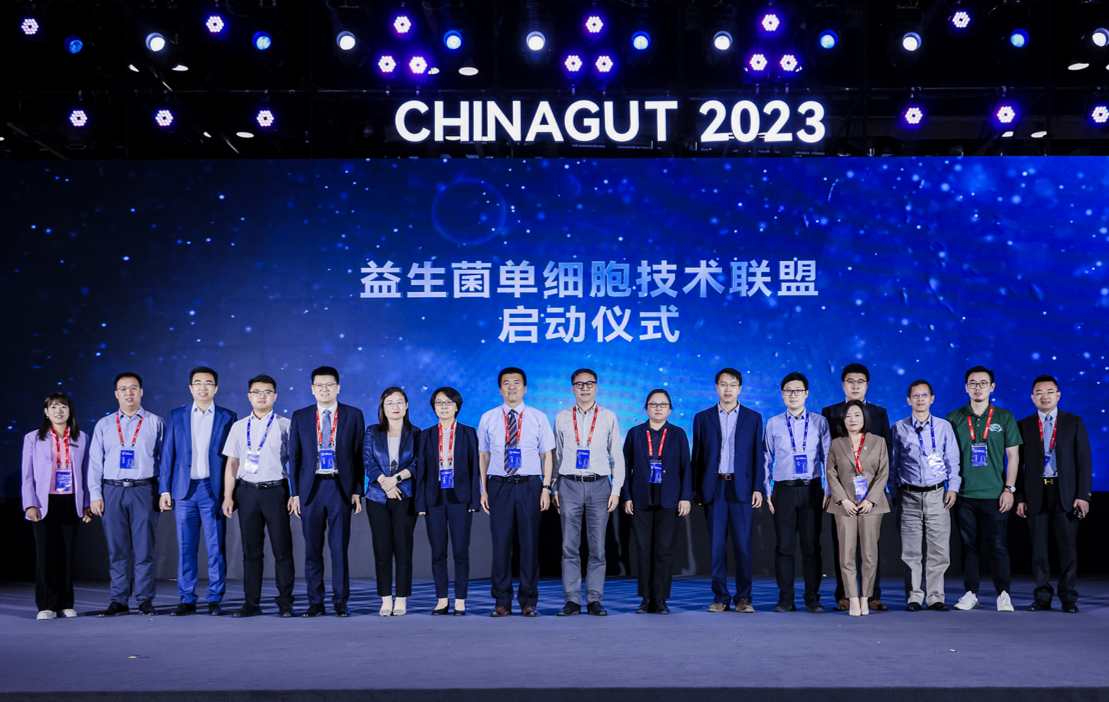
May 2023 – A-STEP Alliance
Launch of the Alliance of Single-cell TEchnology for Probiotics (A-STEP) in Beijing by the Qingdao Institute of Bioenergy and Bioprocess Technology, Chinese Academy of Sciences (QIBEBT, CAS), the China National Research Institute of Food & Fermentation Industries (CNRIFFI), CheersHealth Institute, and Single-cell Biotech Co., Ltd., joined by academic and industrial partners including Jiangnan University, Inner Mongolia Agricultural University, Yili Group, Mengniu Dairy Group, COFCO Nutrition and Health Research Institute, International Flavors & Fragrances (IFF), Novozymes OneHealth, DSM Nutritional Products, Fonterra, and BGI Genomics.
June 2024 – P.R.E.P.
The Pathogen Ramanomics Engine Project (P.R.E.P.) was launched by the Qingdao Institute of Bioenergy and Bioprocess Technology of the Chinese Academy of Sciences (QIBEBT, CAS), the Chinese Center for Disease Control and Prevention (China CDC), and the Institute of Microbiology, Chinese Academy of Sciences (IMCAS), establishing single-cell precision for pathogen identification, tracing, and drug testing.

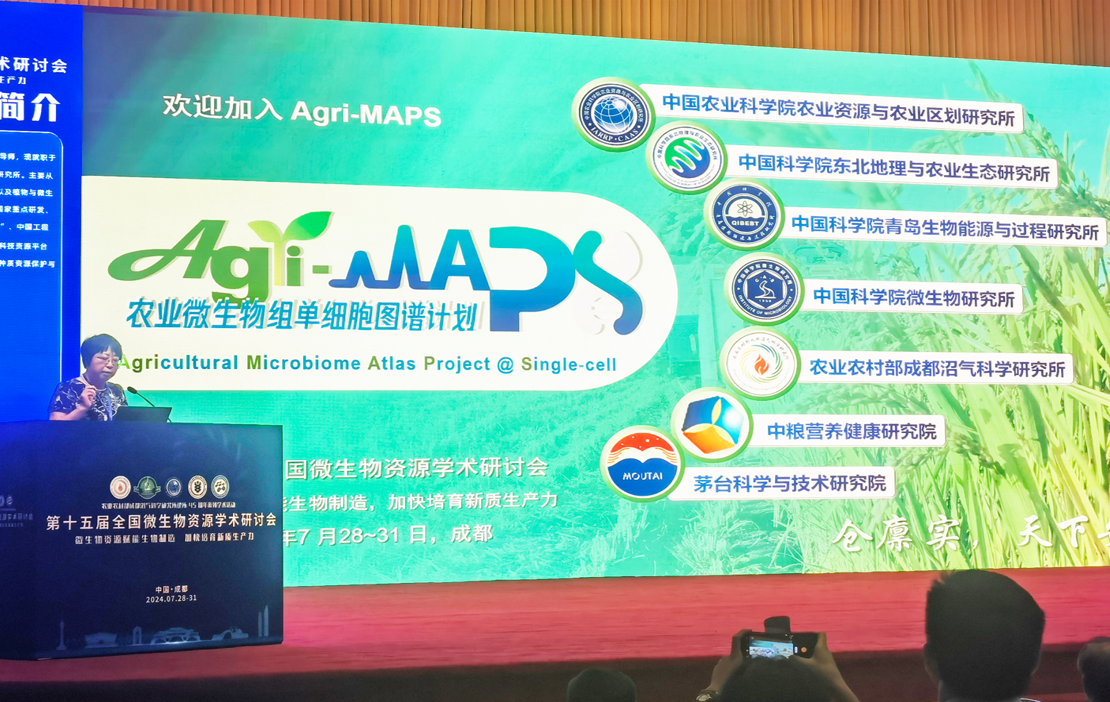
July 2024 – Agri-MAPS
The in situ Metabolic Atlas Project @ Single-cell for Agriculture (Agri-MAPS) was initiated by the Qingdao Institute of Bioenergy and Bioprocess Technology of the Chinese Academy of Sciences (QIBEBT, CAS), the Institute of Agricultural Resources and Regional Planning, Chinese Academy of Agricultural Sciences (IARRP, CAAS), the Northeast Institute of Geography and Agroecology, CAS (IGA, CAS), and the Moutai Institute of Science and Technology, applying “function-first, then cultivation” workflows to soil microbiomes for sustainable agriculture.
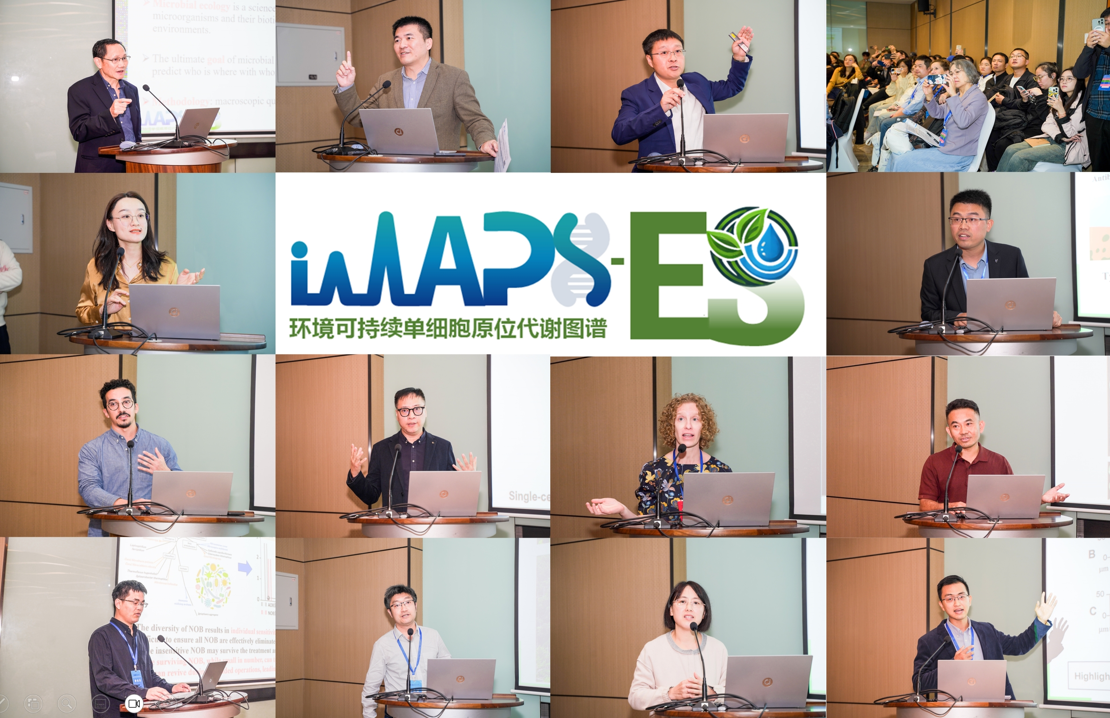
October 2024 – iMAPS-ES
The in situ Metabolic Atlas Project @ Single-cell for Environmental Sustainability (iMAPS-ES) was launched during the 2024 Annual Academic Meeting of the Chinese Association of Microbial Ecology in Qingdao. The initiative, a specialized branch of the broader iMAPS program, focuses on applying single-cell, in situ metabolic profiling and sorting to environmental sustainability research, with the goal of enabling ecosystem health assessment, functional microorganism discovery, and bioremediation across soil, water, forest, and grassland ecosystems. Participating organizations included research and industry partners from China and abroad, including the Qingdao Institute of Bioenergy and Bioprocess Technology of the Chinese Academy of Sciences (QIBEBT, CAS), the University of Oklahoma, the University of Oxford, the University of California San Diego, Shanghai Jiao Tong University, and Procter & Gamble.
December 2024 – iMAPS-Probiotics
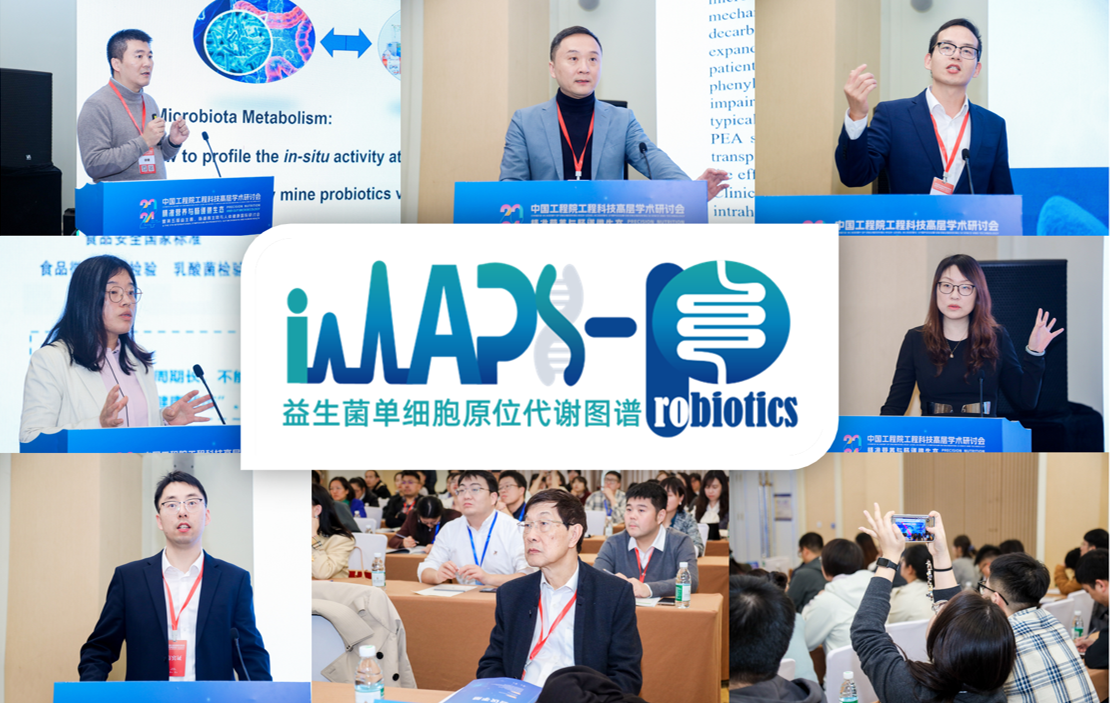
The in situ Metabolic Atlas Project @ Single-cell for Probiotics (iMAPS-Probiotics) was launched in Wuxi by the Qingdao Institute of Bioenergy and Bioprocess Technology of Chinese Academy of Sciences (QIBEBT, CAS) and Jiangnan University, focusing on gut microbiota and accelerating probiotic discovery and industrial application with partners such as the University of Hong Kong, Tongji University, Washington University in St. Louis, University of California San Diego, Yili Group, and COFCO Nutrition and Health Research Institute.
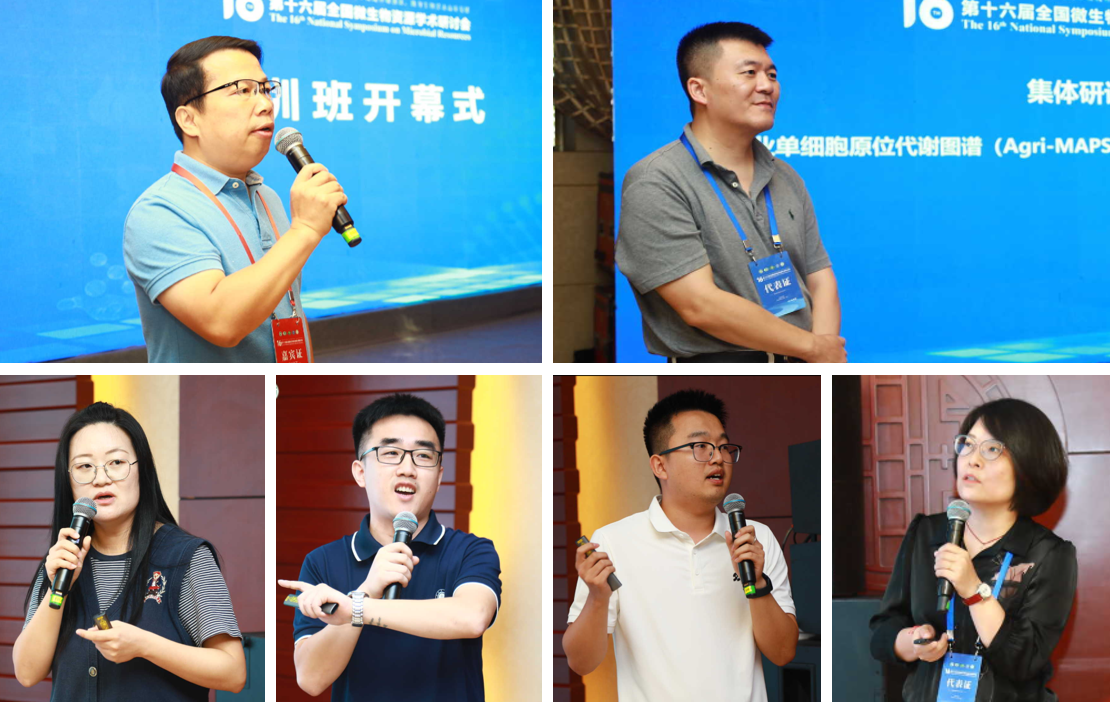
August 2025 – Training Workshop
At the 16th National Symposium on Microbial Resources, the Qingdao Institute of Bioenergy and Bioprocess Technology of Chinese Academy of Sciences (QIBEBT, CAS) and the Institute of Agricultural Resources and Regional Planning, Chinese Academy of Agricultural Sciences (IARRP, CAAS) co-hosted the iMAPS Training Workshop, with 150+ participants, demonstrating Agri-MAPS as a testbed for translating single-cell technologies into agriculture.
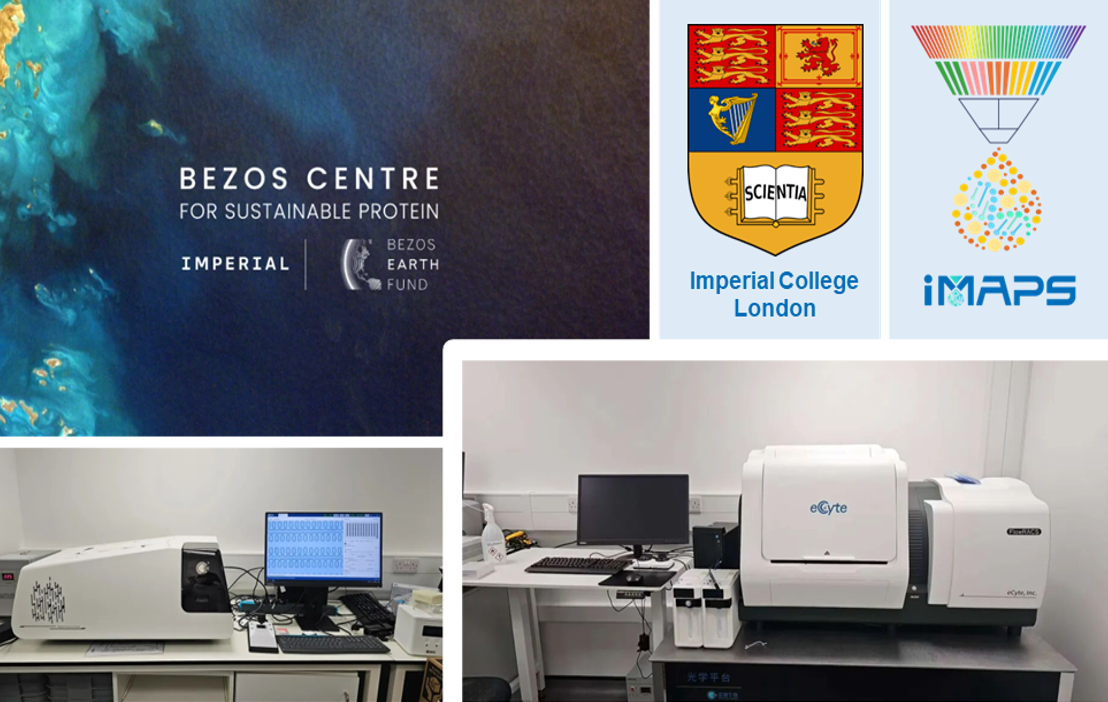
March 2026 – SynBio iMAPS Platform at Imperial College London
The Digital Colony Picker (DCP) was installed alongside an already operating FlowRACS platform, further strengthening the iMAPS node at the Bezos Centre for Sustainable Protein and Microbial Food Hub.
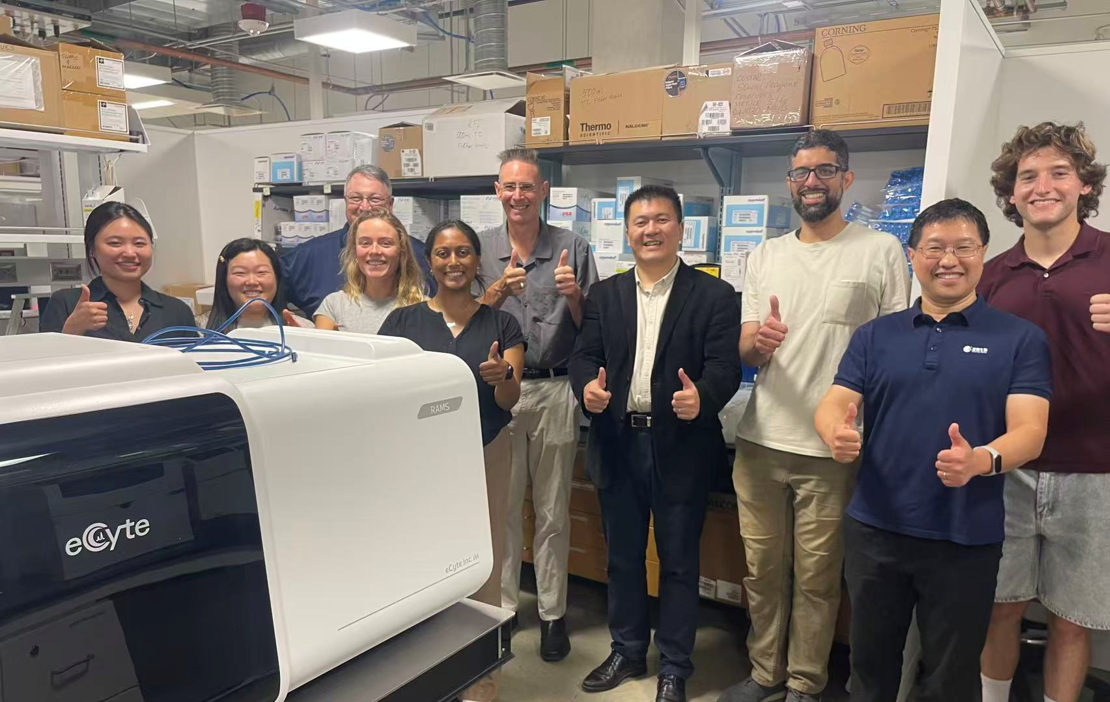
March 2026 – iMAPS Platform at UC San Diego
An iMAPS platform was established at the Center for Microbiome Innovation at University of California San Diego, with the 2026 CMI International Microbiome Meeting highlighting the growing role of function-based single-cell phenotype profiling and sorting in microbiome discovery.
March 2026 – Oral iMAPS
Oral iMAPS was launched on March 27, 2026, during the 104th General Session & Exhibition of the International Association for Dental, Oral, and Craniofacial Research (IADR) in San Diego. The initiative focuses on building a single-cell, in situ metabolic atlas of the oral microbiome and advancing microbiome-based strategies for oral and systemic health. Participating organizations include the Qingdao Institute of Bioenergy and Bioprocess Technology (QIBEBT) of the Chinese Academy of Sciences, the Faculty of Dentistry of The University of Hong Kong, the University of California San Diego (UC San Diego), West China School / Hospital of Stomatology Sichuan University, Peking University School and Hospital of Stomatology, Fudan University School of Stomatology, Qingdao Stomatology Hospital, Qingdao Women and Children's Hospital, ADA Forsyth Institute, University of Southern California, Newcastle University, Procter & Gamble, and other academic, clinical, and industrial partners.
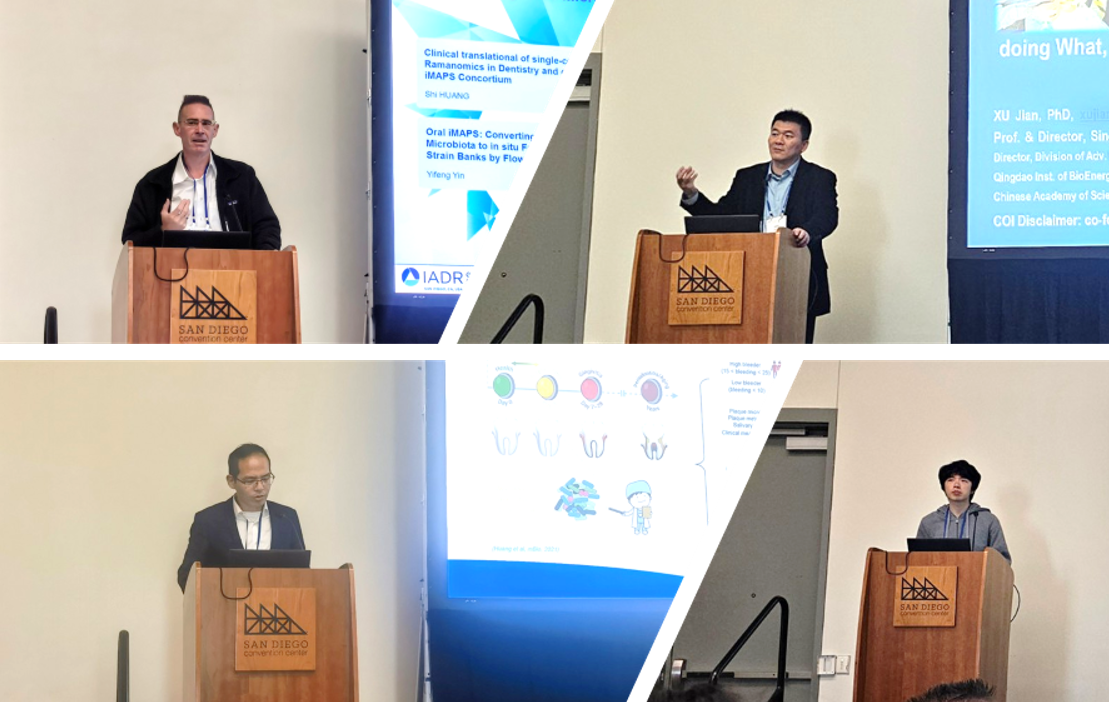
2026 and Beyond – iMAPS Consortium
iMAPS is evolving into a global distributed consortium, building a real-time network of “metabolic sensors + strain miners + ecological restorers” and creating a dynamic Global Microbial Metabolic Atlas.

May 2023
June 2024
July 2024
Oct 2024
Dec 2024
Aug 2025
Mar 2026
Mar 2026
Mar 2026
2026+
FAQs
-
The International in-situ Metabolic Atlas Projects @ Single-cell — a global effort to explore, preserve, and apply the hidden metabolic power of microbes at single-cell resolution.
-
Unlike traditional metagenomics, iMAPS reveals living metabolic functions directly in single cells, enabling real-time detection, sorting, cultivation, and reuse.
-
A "metaramanome" is the collection of single-cell Raman Spectra randomly sampled from a microbiota, which represents the single-cell-resolution metabolic phenome of the microbiota at that particular state. "Metaramanomics" refers to the approach and technological platform that produce the single-cell 6W (doing What, Wealth, Who, Why, When, Where) data plus functional-strain bank, by Raman flow cytometry and Raman-activated Cell Sorting coupled to single-cell/mini-meta cultivation, DNA/RNA sequencing or mass-spec analyses.
-
Academic researchers, industry partners, and policy organizations worldwide are welcome to join the iMAPS network.
-
In precision health, sustainable agriculture, infectious disease prevention, environmental restoration, clean energy, and advanced biomanufacturing.
↑