
QIBEBT Joins IARRP to Host Agri-MAPS Technical Training
The Qingdao Institute of Bioenergy and Bioprocess Technology, Chinese Academy of Sciences (QIBEBT, CAS), together with the Institute of Agricultural Resources and Regional Planning of the Chinese Academy of Agricultural Sciences (CAAS), led a technical training course on single-cell metabolic profiling, isolation, and taxonomic identification of novel microbial resources during the 16th National Symposium on Microbial Resources on August 14 in Zhangye, Gansu Province. The program was organized under the Agricultural In-situ Metabolic Atlas Project @ Single-Cell (Agri-MAPS) international science initiative and drew more than 150 participants from research and industry across China.
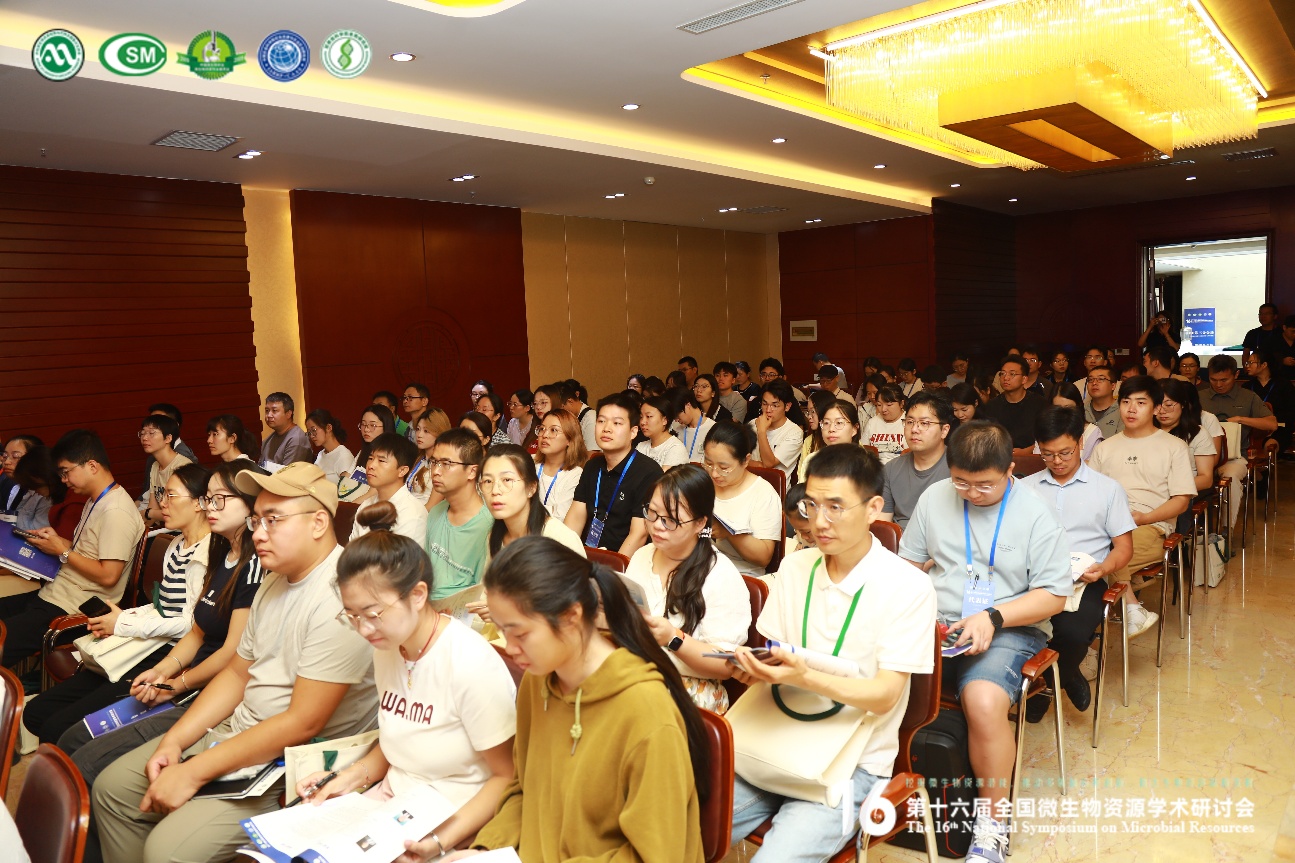
The training course, titled “Isolation and Taxonomic Identification of New Microbial Resources,” was co-chaired by QIBEBT Single-Cell Center Director, Prof. XU Jian and CAAS Prof. RUAN Zhiyong. According to XU, Agri-MAPS is advancing a new “screen first, then culture” strategy for agricultural microbiome development. Instead of starting with slow and often unsuccessful cultivation of environmental samples, the workflow begins by identifying and sorting individual live cells that display specific in-situ metabolic activities. Only then are those targeted cells cultivated. This approach is designed to accelerate the discovery, recovery, and use of high-value agricultural microbes, including strains that are difficult to culture by conventional methods.
Agri-MAPS was jointly launched in 2024 at the 15th National Symposium on Microbial Resources by CAAS and QIBEBT, together with major partners including the Northeast Institute of Geography and Agroecology, CAS; the Institute of Microbiology, CAS; the Chengdu Institute of Biogas Science (Ministry of Agriculture and Rural Affairs); the COFCO Nutrition and Health Research Institute; and the Moutai Science and Technology Research Institute. The initiative aims to build a distributed, integrated network for agricultural microbiome resource discovery and utilization. Its long-term goal is to establish a next-generation agricultural microbial germplasm innovation pipeline driven by in-situ metabolic function rather than trial-and-error culturing.
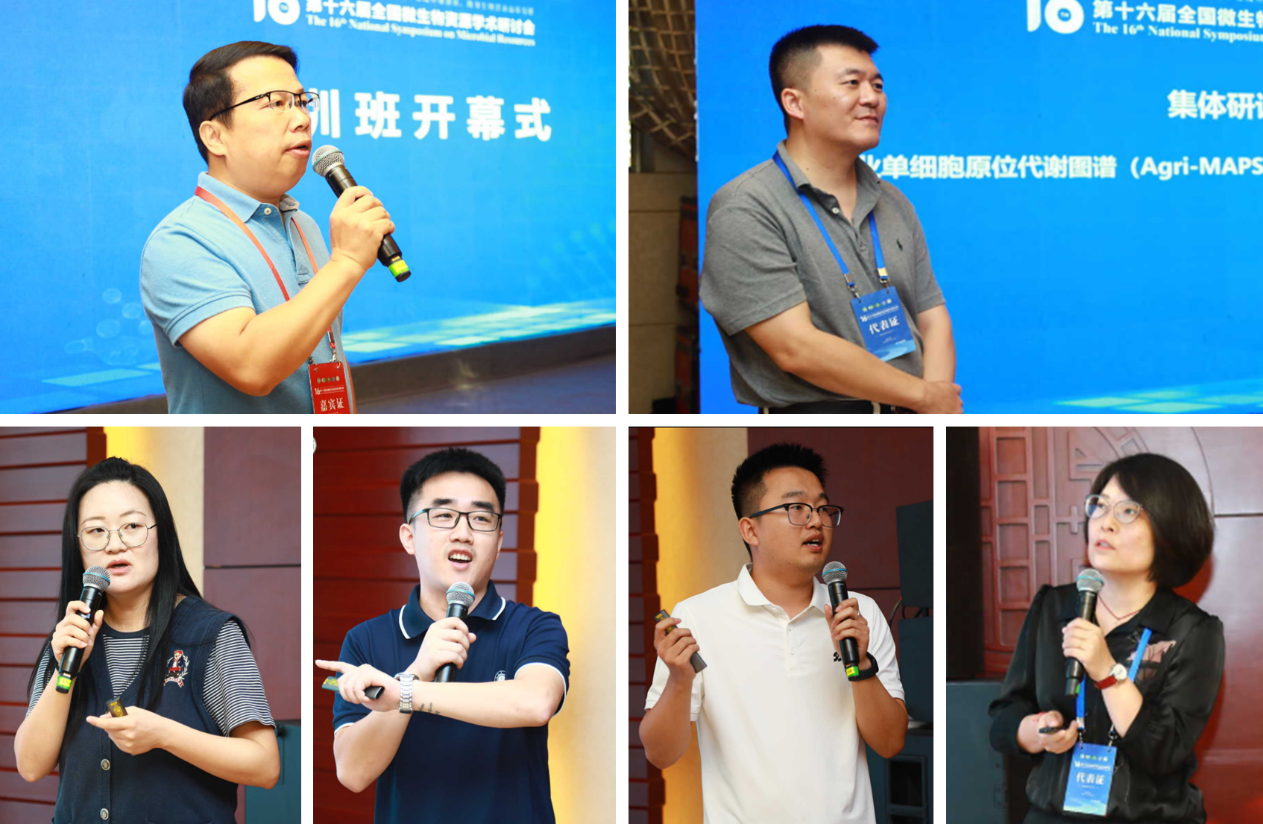
Technical modules in the course were delivered by experts from the Single-Cell Center at QIBEBT and collaborating institutions. ZHENG Xiaoshan (Senior Engineer), WANG Xixian (Associate Professor), Dr. DIAO Zhidian, and Prof. JING Xiaoyan (Qingdao University of Science and Technology) provided in-depth training on Meta-Ramanomics (single-cell Raman-based metabolic phenotyping), FlowRACS (Raman flow cytometric sorting of cells based on metabolic activity), and Digital Colony Picker (DCP) technology for high-throughput single-cell cultivation, multimodal phenotype screening, and targeted clone retrieval. They also presented recent application cases in agricultural and environmental microbiology, demonstrating how these platforms can link high-throughput functional screening with downstream cultivation and strain-level validation.
Participants further engaged in focused discussion on agricultural microbial germplasm innovation. The group agreed on two near-term priorities for the Agri-MAPS program: establishing data standards for Meta-Ramanomics and enabling shared access to results across academic, industrial, and applied research partners. As the agriculture-focused branch of the broader iMAPS (In-situ Metabolic Atlas Project @ Single-Cell) international science program, Agri-MAPS aims to build a national and ultimately global network of “metabolic sensors + strain prospectors + ecological restorers,” enabling high-value functional microbes to be detected, sorted, cultured, and deployed on demand for agriculture, environmental sustainability, disease control, and human health.
